Dec 03, 2025
HanseCom Forum 2025: The Mobility Industry Demonstrates Courage for Change
Hamburg, Germany – How can public transport advance the mobility transition in the face of adverse conditions? At the HanseCom Forum in Hamburg, mobility experts from international transit agencies provided answers.
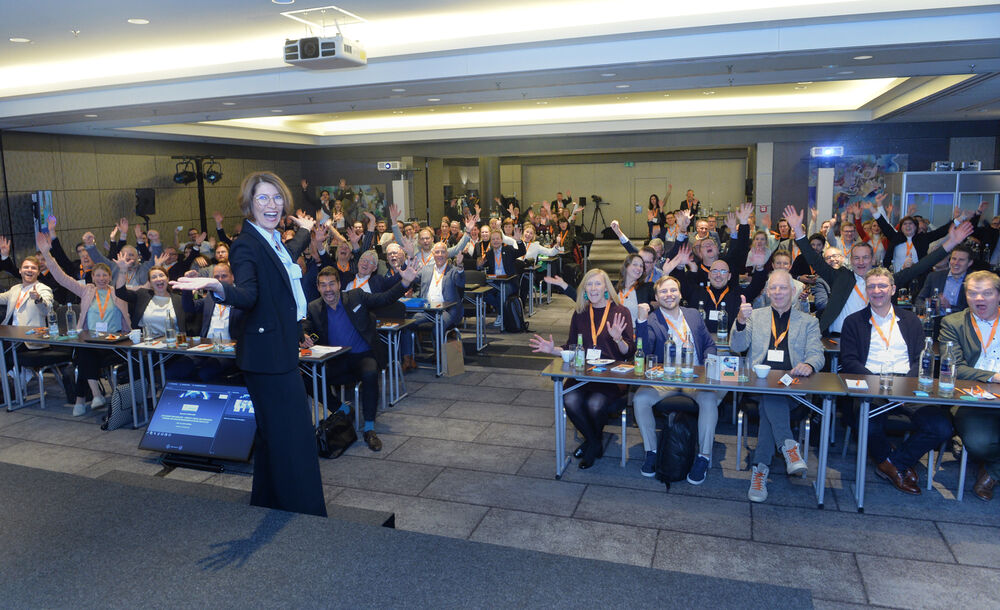
The 11th HanseCom Forum was held on 27 and 28 November 2025. Around 200 mobility decision-makers from around the globe gathered in Hamburg to participate in the high-profile public transport industry conference. Renowned experts representing transit agencies, associations, science and politics provided insights into their strategies and projects and discussed new mobility concepts, trends and technologies.
The central theme of the event was “how can transit agencies and associations advance the mobility transition in the face of adverse conditions?” The following approaches, findings and solutions were discussed:
1. Digitalization is a decisive factor. Public transport is consistently focusing on the digitalization of all customer processes, sales channels in particular. Account-based ticketing is also playing an increasingly important role in the DACH region. With these measures, public transport providers are making it easier for people to access their services, and they are tapping into new customer groups, generating more revenue and creating more efficient processes. This enables providers to optimize their bottom line.
2. Artificial intelligence opens up great opportunities. AI is becoming increasingly important in the digitized customer process landscape. It can further improve processes, intelligently evaluate existing information, optimize the offering or make customer touchpoints more convenient. It offers great potential, especially for customer-oriented communication with passengers, more efficient implementation of sales processes and the optimization of operating procedures.
3. Public transport can tap into new corporate target groups. To become less dependent on federal and state funding, transit agencies need to boost their ticket sales. Corporate mobility management and job tickets offer them powerful tools to achieve this. Transit agencies can use these to win over a large number of people in companies who are currently not using public transport for their daily commute.
4. Autonomous driving ideally complements the public transport service offering. Autonomous driving enables on-demand mobility that can cover the last mile economically and across the board. By integrating such services into their ticketing and mobility platforms, transit agencies offer people in rural areas in particular a seamless mobility experience from a single source, thus making traditional public transport services more appealing.
5. Cooperation is the future of public transport. Transit agencies should join forces with other transit agencies, new mobility providers, technology and data platforms as well as cities and municipalities. Together with these partners, they can create seamless, flexible and data-based mobility chains that are so uncomplicated and easy to use that they create strong incentives for switching from cars to public transportation.
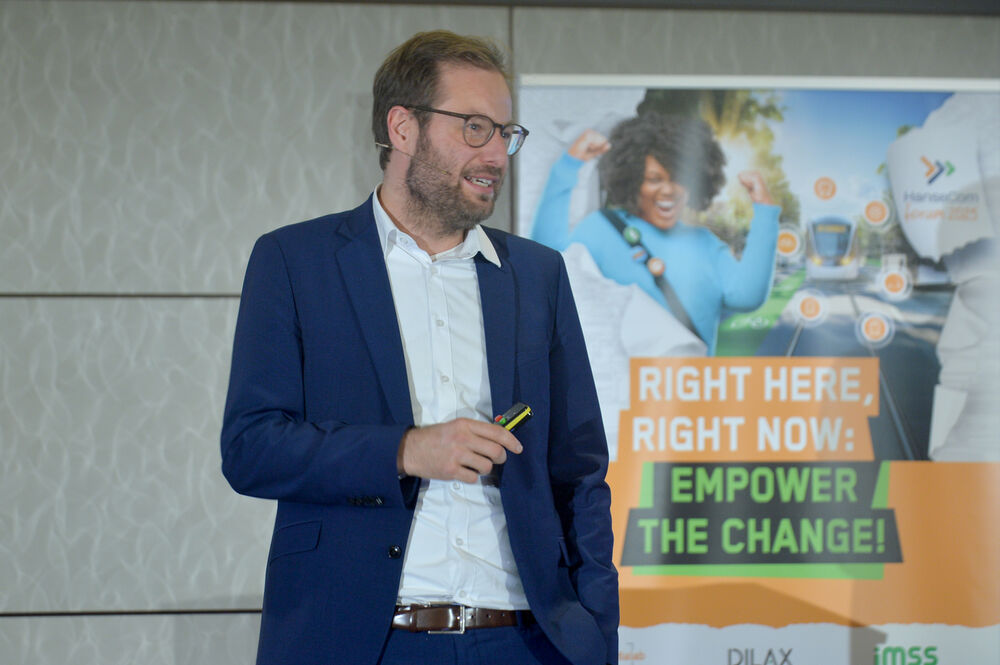
Speakers at the HanseCom Forum included representatives from Hamburger Hochbahn, Kasseler Verkehrs-Gesellschaft, National Express from the United Kingdom, the Spokane Transit Authority from the USA, Stadtwerke Hamm, Wiener Linien and Fresenius University of Applied Sciences. Politicians were represented by Dr. Anjes Tjarks, Senator of the Hamburg Ministry of Transport and Mobility Transition, and Dr. Claudia Elif Stutz, State Secretary at the Federal Ministry of Transport.
A high-profile panel of public transport representatives also debated current trends and challenges in the mobility industry under the moderation of Ulrich Sieg, former CEO of Hamburger Hochbahn and Chairman of the HanseCom Advisory Board.
“Public transport is facing challenging times,” explains HanseCom Managing Director Sebastian Neil Hölken. “However, our event impressively demonstrated that the industry is strongly motivated to overcome them. With a great deal of courage, strength and the will to make change happen, it is unwavering in its commitment to the mobility transition.”
The next HanseCom Forum will take place from 26 to 27 November 2026 in Hamburg, Germany.